
Searches, Seizures, and Privacy
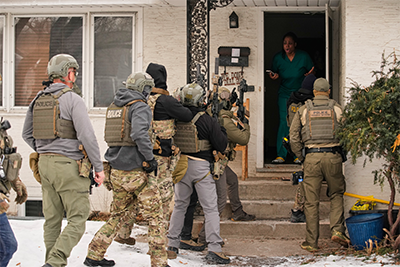
The Fourth Amendment says government needs a warrant based on probable cause before searching your home, seizing your property, or arresting you. In practice: police search your car without a warrant, track your phone without a warrant, seize your cash without ever charging you with a crime, and conduct immigration raids with minimal Fourth Amendment protection.
The warrant requirement—the core of the Fourth Amendment—has become optional.
What It Says
“The right of the people to be secure in their persons, houses, papers, and effects, against unreasonable searches and seizures, shall not be violated, and no Warrants shall issue, but upon probable cause…”
Translation: Government can’t search you, your home, your documents, or your property without a warrant. Warrants require probable cause – specific facts that you committed a crime – and must describe exactly what’s being searched.
Where It Came From
British soldiers used “writs of assistance” in colonial America – general warrants allowing unlimited searches of any home or business. No probable cause required. No specific description of what they were looking for. Colonists had no recourse.
The Fourth Amendment was written to prevent this: no general warrants, no searches based on hunches, no unlimited government search authority.
Current Reality
Exceptions that swallow the rule:
Courts created “exceptions” to the warrant requirement for emergencies. These exceptions have become routine:
- Car searches: No warrant needed if police have probable cause
- Consent searches: If you agree (even if you don’t know you can refuse), no warrant needed
- Border zone: Within 100 miles of any U.S. border – covering 2/3 of Americans – reduced Fourth Amendment protection
- Stop and frisk: Police can detain and search you based on “reasonable suspicion”
- Plain view: If police see evidence, they can seize it without a warrant
Result: Most searches happen without warrants.
Technology:
Your phone tracks everywhere you go. Police can get this data. Your emails older than 180 days? Accessible without a warrant under a 1986 law. Facial recognition scans public cameras tracking your movements without any suspicion you’ve done anything wrong.
The NSA collects phone records in bulk. Not the content of calls, but who you called, when, and for how long – on everyone. No individualized suspicion required.
Civil asset forfeiture:
Police can seize your cash, car, or home if they suspect – not prove – it’s connected to crime. You don’t have to be charged. They charge your property. You have to sue to get it back, proving your property is innocent.
Between 2000-2019: Police seized over $68 billion through civil forfeiture. Many owners were never charged with crimes.
Immigration enforcement:
ICE conducts workplace and home raids using administrative warrants – not the judicial warrants the Fourth Amendment requires. The 100-mile border zone allows checkpoints and searches without warrants, covering 200 million Americans.
Why It Matters
The Fourth Amendment forces government to justify searches before conducting them, not after. A neutral judge reviews the evidence and decides if there’s probable cause. This prevents police from searching based on bias, hunches, or harassment.
When the warrant requirement becomes optional, government can search anyone, seize anything, based on suspicion alone. The exceptions have swallowed the rule. The protections exist on paper but not in practice.
(See also: Fifth Amendment; Habeas Corpus; First Amendment)

